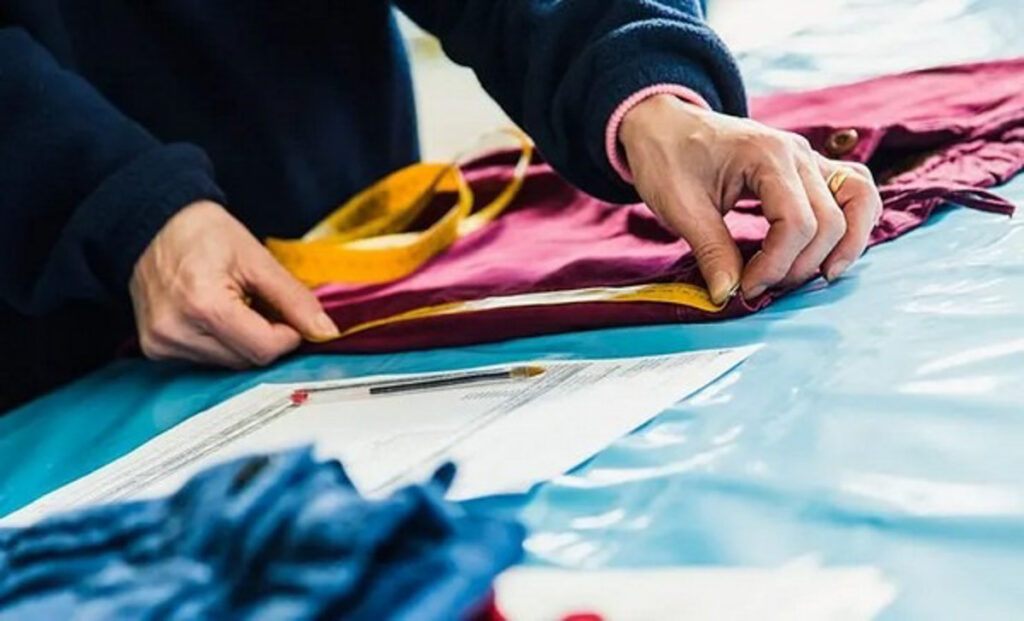
Production in the textile and footwear industry involves many stages, each one influencing the final quality of the product. From the first materials to the last packaging step, even small mistakes can grow into larger issues that affect delivery time, product consistency, and customer satisfaction. Understanding the most common production mistakes helps both brands and factories reduce risks and work more efficiently together.
One of the most frequent issues is starting production with the wrong materials or components. When fabric, accessories, soles, or trims do not match the approved samples, the entire batch may suffer. An early-stage inspection, such as an Initial Production Check (IPC), is crucial because it identifies mismatches before mass production begins. Catching material errors at this point saves time, prevents waste, and avoids costly rework later.
Another common mistake occurs during the manufacturing process itself. Inconsistent workmanship—such as uneven stitching, incorrect measurements, or poor assembly—often appears when oversight is weak or when different teams follow different methods. During-Production Inspection (DUPRO) helps detect these problems when only part of the order is completed. By reviewing ongoing production, inspectors can highlight defects early and give factories the chance to adjust their process before the issue spreads across the entire batch.
Production delays can also create mistakes. When teams rush to catch up on lost time, quality often drops, leading to defects that would not normally happen under standard conditions. Insufficient staff training, unclear instructions, or lack of internal communication can add to the problem. These issues are often discovered in factory audits, where inspectors evaluate capacity, documentation, workflow, and working practices to ensure the production environment supports consistent results.
Finally, mistakes often appear right before shipment. Packaging errors, labeling issues, missing accessories, and mixed sizes are extremely common at the final stage. Although the product itself may be acceptable, poor packing or incorrect labeling can cause major delays or customer complaints. AQL-based Pre-Shipment Inspection (PSI) helps prevent these last-minute issues by checking the finished goods, verifying packaging, and ensuring that everything matches the client’s requirements.
In the end, most production mistakes can be avoided with the right checks at the right time. Early inspections help prevent foundational problems, mid-production reviews maintain consistency, and final inspections protect brands from unexpected defects before goods reach the market. For companies working in Albania and across Europe, reliable quality control services make collaboration smoother and help build long-lasting relationships based on trust and transparency.