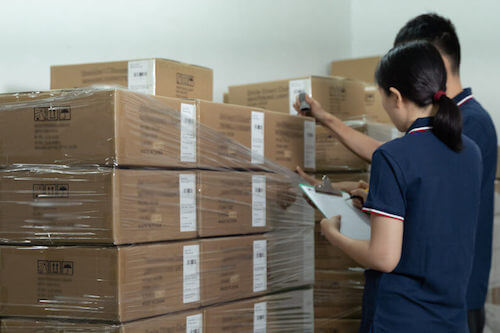
Pre-shipment inspection plays a key role in making sure products meet the required quality level before they leave the factory. This inspection is carried out when production is completed and goods are packed or close to being packed. At this stage, quantities, workmanship, packaging, labeling, and overall product condition can be checked against agreed specifications. By inspecting goods before shipment, many common issues can be identified while there is still time to correct them, avoiding disputes, delays, or rejected deliveries once products arrive at their destination.
One of the main reasons pre-shipment inspection is critical is risk reduction. Once goods are shipped, fixing problems becomes difficult and costly. Issues such as incorrect quantities, visible defects, poor packaging, or non-compliant labeling can lead to financial loss, damaged business relationships, or even blocked imports. A structured inspection based on accepted sampling methods allows problems to be detected objectively, rather than relying on assumptions or last-minute checks. This gives buyers and suppliers a clear picture of product quality at the final stage of production.
Pre-shipment inspection also helps confirm consistency across a batch. Even when production runs smoothly, variations can appear between units, especially in large orders. Inspecting finished goods helps verify that quality is uniform and that the shipment reflects what was agreed in terms of materials, workmanship, and presentation. This is especially important for international trade, where buyers may not be present during production and rely on inspection results to make shipment decisions.
Another important aspect is compliance. Exported goods often need to meet specific requirements related to packaging, labeling, or documentation. A final inspection helps ensure that these elements are in place before shipment, reducing the risk of customs issues or regulatory problems. By addressing these checks before goods leave the factory, companies can ship with more confidence and fewer surprises.
In short, pre-shipment inspection acts as a final control point between production and delivery. It provides clear information about product quality, reduces uncertainty, and supports better decision-making before goods are exported. For companies involved in international manufacturing and trade, this step is not just a formality, but a practical way to protect quality, time, and costs.