Factory audits are often perceived as a control tool used by brands to check compliance, identify risks, or approve suppliers. In reality, when approached correctly, audits can become a powerful instrument for strengthening supplier relationships rather than straining them. In the textile and footwear industry, where long-term collaboration, consistency, and trust are essential, factory audits play a much broader role than simple verification.
A well-structured factory audit creates clarity. It defines expectations on both sides and reduces ambiguity around quality standards, production processes, and operational responsibilities. When suppliers understand exactly what is being evaluated and why, audits stop feeling like inspections imposed from above and start becoming shared checkpoints aimed at improving performance. This clarity is especially important in industries where production involves multiple steps, subcontractors, and tight delivery schedules.
One of the main ways factory audits improve relationships is by encouraging transparency. Audits bring production realities to the surface, including capacity limits, workflow bottlenecks, and process inconsistencies. Instead of discovering problems after shipment, brands and factories can address them early and collaboratively. This openness reduces last-minute conflicts, rejected shipments, and urgent corrective actions that often damage trust.
Audits also help align expectations between buyers and manufacturers. Many quality issues arise not because factories lack capability, but because expectations were never clearly defined. Through audits, brands can communicate their quality standards, compliance requirements, and operational priorities in a structured way. At the same time, factories gain the opportunity to explain their processes, constraints, and improvement plans. This two-way dialogue is essential for building realistic and sustainable partnerships.
In the textile and footwear sector, where production often scales quickly, audits help suppliers demonstrate professionalism and reliability. A factory that performs well in audits shows that it has systems in place, not just skills. This reassures brands that the supplier can handle repeat orders, increased volumes, and new product lines. Over time, this confidence leads to stronger commercial relationships, more stable order flows, and longer-term commitments.
Factory audits also support continuous improvement rather than one-time correction. Instead of focusing only on pass-or-fail outcomes, effective audits highlight trends, recurring issues, and opportunities for optimization. When audit results are reviewed together and followed by realistic action plans, suppliers feel supported rather than judged. This approach fosters cooperation and encourages factories to invest in better processes, training, and quality control.
Another important aspect is consistency across production sites. For brands working with multiple suppliers or multiple factories within the same group, audits help standardize practices. This consistency simplifies communication, reduces variation in product quality, and makes collaboration smoother over time. Suppliers benefit as well, because standardized expectations reduce confusion and duplicated effort.
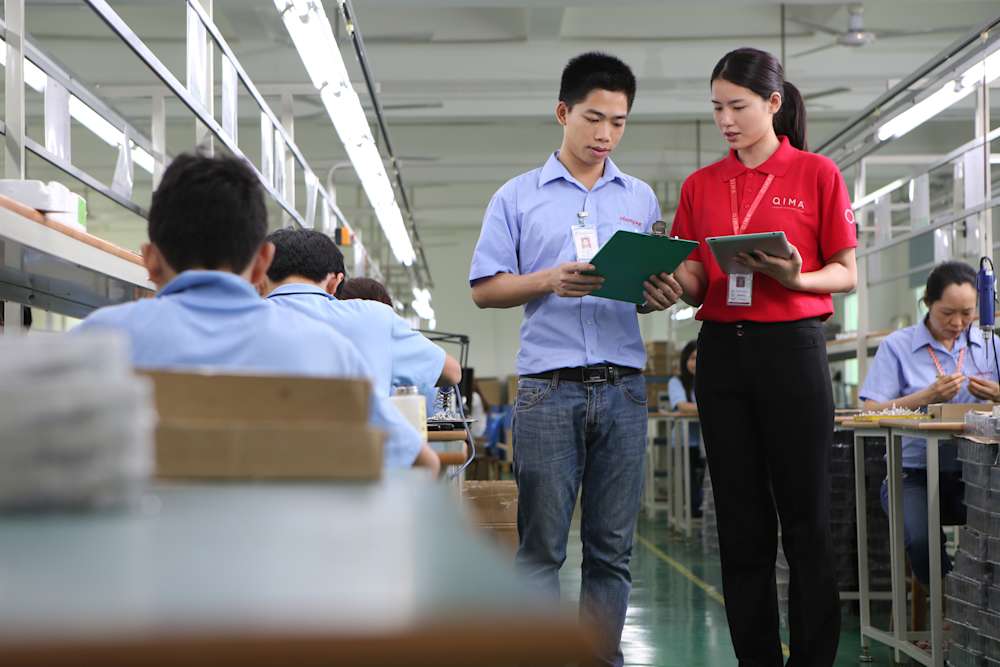
Factory audits also improve communication channels. During audits, technical teams, quality managers, and production supervisors interact directly with brand representatives or independent auditors. These interactions often uncover practical insights that are not visible in emails or reports. Clear communication during audits helps prevent misunderstandings and builds mutual respect between operational teams on both sides.
In export-oriented textile and footwear manufacturing, audits are often linked to international compliance requirements. When suppliers pass audits conducted according to recognized standards, they strengthen their credibility in global markets. Brands, in turn, can confidently demonstrate due diligence to their customers and partners. This shared benefit reinforces the idea that audits are not obstacles, but enablers of sustainable business growth.
When audits are handled poorly, they can create tension, defensiveness, and resistance. However, when they are conducted with clear objectives, transparent criteria, and a collaborative mindset, they become a foundation for trust. Suppliers are more willing to share challenges, and brands are better equipped to support realistic solutions. Over time, this dynamic transforms audits from occasional checks into ongoing tools for relationship management.
For textile and footwear makers, embracing factory audits as a collaborative process rather than a policing mechanism leads to stronger partnerships, fewer disputes, and more predictable outcomes. The most successful supplier relationships are built not on avoiding audits, but on using them as opportunities to align goals, improve processes, and grow together.