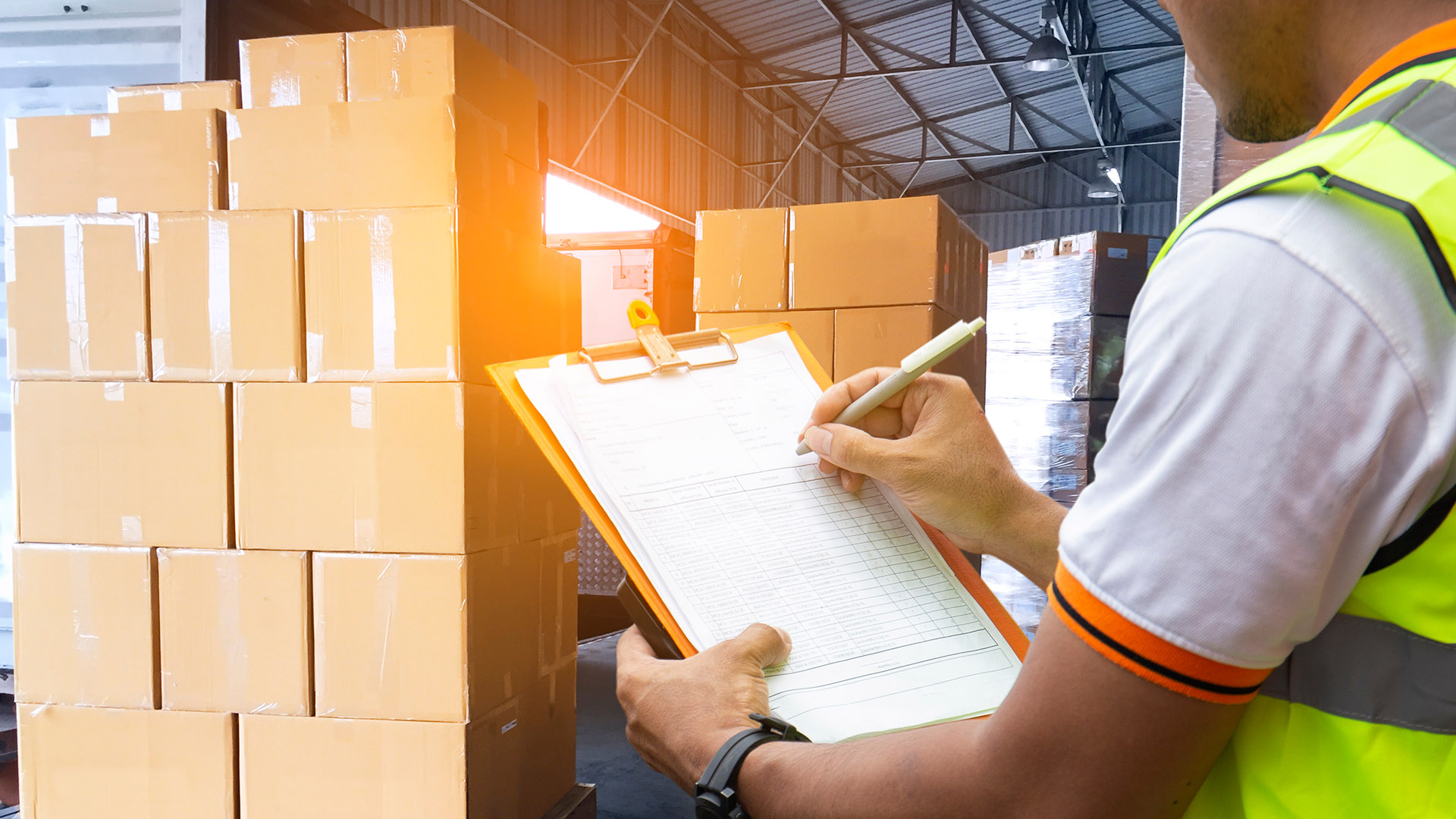
A pre-shipment inspection is the final quality checkpoint before goods leave the factory, and it plays a decisive role in protecting buyers, brands, and importers from costly surprises. Although many assume it is a quick visual check, in reality it is a structured and methodical process designed to verify that products meet agreed specifications, quantity requirements, and quality standards before shipment. This inspection usually takes place when production is at least 80–100% complete and the goods are packed or ready to be packed, ensuring that the results accurately reflect what will be shipped.
The process begins with verification of production status and shipment readiness. Inspectors confirm that the correct quantity of goods has been produced and that the order is complete. This step may sound straightforward, but discrepancies in quantities, mixed orders, or incomplete batches are common issues that can delay shipments or cause disputes later. Packaging readiness is also checked at this stage to ensure that products are not inspected prematurely or under conditions that could distort the final results.
Once readiness is confirmed, inspectors select samples according to the agreed Acceptable Quality Level (AQL). Sampling is not random in an informal sense; it follows internationally recognized statistical methods to ensure fairness and consistency. The sample size depends on the total order quantity and the inspection level agreed with the buyer. This approach allows inspectors to draw reliable conclusions about the overall shipment without examining every single item, while still identifying potential systemic issues in production.
Product conformity checks follow, where samples are examined against specifications provided by the buyer. Inspectors verify dimensions, materials, workmanship, labeling, colors, finishes, and overall appearance. Even small deviations can be significant, especially for products destined for regulated markets or for brands that rely heavily on consistency. At this stage, inspectors also assess whether approved samples or reference standards have been respected throughout production, not just at the beginning.
Functional and safety checks are another critical part of the inspection. Depending on the product type, this may include basic performance tests, assembly checks, durability assessments, or simple safety evaluations. While a pre-shipment inspection is not a laboratory test, it is designed to identify obvious functional failures or safety risks that could lead to customer complaints, returns, or regulatory problems once the goods reach their destination.
Packaging and labeling are examined in detail, as these elements are often overlooked during production but are essential for logistics and compliance. Inspectors verify that packaging matches buyer requirements, protects the product adequately, and includes correct markings, barcodes, carton quantities, and shipping information. Incorrect or inconsistent packaging can result in customs delays, warehouse issues, or additional costs after arrival.
Throughout the inspection, any defects found are carefully classified, usually as critical, major, or minor. This classification helps determine whether the shipment passes or fails based on the agreed AQL limits. A shipment may contain defects and still be accepted if they remain within tolerance, but exceeding the allowed limits triggers a failed inspection. This objective approach helps avoid subjective decisions and provides a clear basis for acceptance or corrective action.
At the end of the inspection, findings are documented in a detailed report. This report includes quantitative results, defect descriptions, photos, and clear conclusions about whether the shipment meets requirements. For buyers, this document is a decision-making tool, allowing them to approve shipment, request rework, or negotiate corrective measures before goods leave the factory. For suppliers, it serves as feedback on production performance and areas needing improvement.
Ultimately, a pre-shipment inspection is not about finding faults for the sake of criticism, but about reducing risk. It protects buyers from receiving non-conforming goods, helps suppliers identify issues before they become costly disputes, and supports smoother logistics and stronger business relationships. By understanding what really happens during this process, companies can better prepare for inspections and use them as a proactive tool rather than a last-minute obstacle.