Before starting production, brands invest significant time and effort in evaluating factories to reduce risk and protect their reputation. This evaluation process goes far beyond checking price and production capacity. Brands aim to understand whether a factory can consistently meet quality, delivery, and compliance expectations over time, not just for a single order.
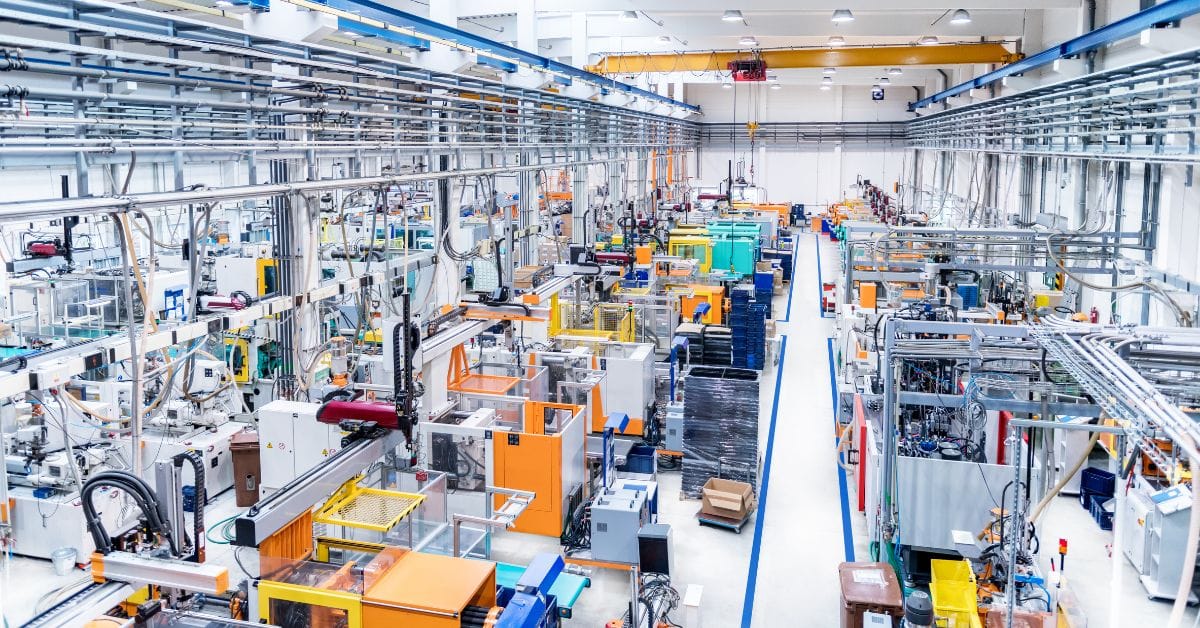
The first element brands assess is the factory’s overall capability. This includes production capacity, equipment condition, and technical expertise relevant to the specific product category. Brands look for signs that machinery is suitable for the required processes and that production lines are organized in a way that supports stable output. A factory that appears busy or large is not automatically considered capable if its setup does not align with the product requirements.
Quality management practices are another central focus. Brands want to see how quality is controlled during production, not only at the final stage. This includes internal inspection procedures, defect handling, documentation, and corrective action processes. Factories that can clearly demonstrate how they identify, record, and resolve quality issues are generally viewed as lower risk partners.
Documentation and traceability play a key role in factory evaluation. Brands review records related to materials, production orders, inspections, and staff training. Clear and organized documentation indicates that processes are under control and repeatable. Poor or incomplete records often raise concerns about consistency and accountability during production.
Workforce organization and skill levels are also carefully examined. Brands assess whether operators are trained for their tasks and whether supervisors are present to monitor production quality and efficiency. High turnover, unclear responsibilities, or lack of training programs can signal potential instability that may affect production performance.
Compliance with social, safety, and ethical standards is increasingly important in factory evaluations. Brands check working conditions, health and safety practices, and adherence to local labor regulations. Even when product quality is acceptable, failure to meet these expectations can disqualify a factory from approval, as brands are accountable for their supply chains.
Communication and transparency are additional factors that influence evaluation outcomes. Brands look for factories that communicate openly about challenges, lead times, and limitations. A willingness to share information and address issues proactively is often seen as a sign of reliability and long-term partnership potential.
In the end, brands evaluate factories before starting production to gain confidence in consistency, not perfection. The goal is to identify partners that have the right systems, mindset, and capabilities to meet expectations and manage issues effectively. A thorough evaluation helps prevent surprises during production and lays the foundation for a more stable and successful working relationship.