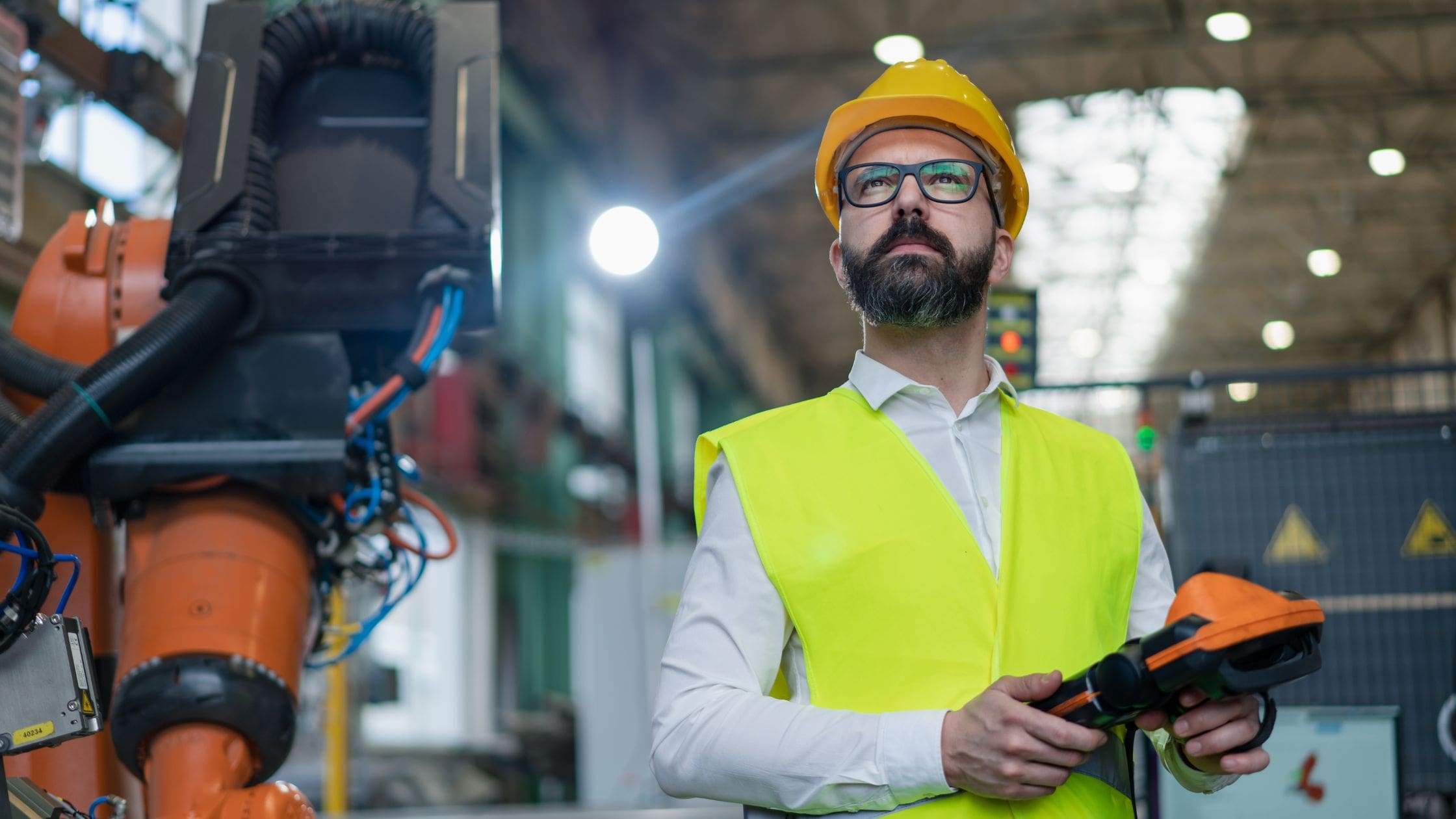
When inspectors arrive at a factory, their first objective is not to look for defects in individual products, but to understand the overall situation they are stepping into. The initial moments of a factory visit are critical because they provide context for everything that follows. Inspectors begin by confirming basic information such as the factory identity, production location, order details, and the purpose of the visit. This ensures that the inspection is being conducted at the correct site, on the correct products, and at the appropriate stage of production.
Very early in the visit, inspectors assess production status and workflow. They check whether production is actually ongoing, completed, or still in preparation, and whether this matches what was communicated in advance. This step helps determine whether the inspection can proceed meaningfully or needs to be rescheduled. Inspectors also observe how materials and semi-finished goods move through the factory, as this reveals a lot about organization, process control, and potential risk areas.
Another priority is evaluating the general working environment. Inspectors pay close attention to cleanliness, order, and basic safety conditions. While this is not always a formal audit, the state of the production floor often reflects how seriously a factory treats quality and discipline. Disorganized workstations, mixed materials, or unsafe practices can signal deeper process weaknesses that may later affect product quality.
Inspectors then focus on materials and components. They verify whether the correct materials are being used and whether they match approved samples or specifications. This includes checking storage conditions, material identification, and separation of approved and non-approved components. Using the wrong materials is a common cause of quality issues, and identifying this early helps prevent incorrect assumptions during product checks.
Documentation is also reviewed at an early stage. Inspectors may ask to see production orders, quality records, or reference samples to confirm that instructions are clear and available on the production floor. The presence and accessibility of documentation show whether workers are following defined requirements or relying on informal instructions. Missing or outdated references often lead to inconsistencies that become visible later in the inspection.
Once these foundational checks are completed, inspectors move on to product sampling and detailed quality evaluation. However, the initial observations strongly influence how inspectors interpret what they see next. For example, defects found in a well-organized and controlled environment may be treated differently than similar defects found in a chaotic setting with weak controls, as they point to different root causes.
Inspectors also observe how factory staff respond during the visit. Cooperation, transparency, and the ability to answer questions clearly are important signals. Factories that can explain their processes and acknowledge issues openly are often better positioned to address problems effectively than those that appear defensive or unprepared.
What inspectors check first during a factory visit sets the tone for the entire inspection. These early checks help establish whether production conditions are stable, whether requirements are understood, and whether quality issues are likely to be isolated or systemic. By focusing first on context, process, and readiness, inspectors can provide more accurate and meaningful conclusions about overall production quality.