Sample size plays a crucial role in inspection results, yet it is often misunderstood or overlooked by those unfamiliar with quality inspection methods. Many assume that inspecting more pieces always guarantees better outcomes, while others believe that small samples cannot accurately reflect overall quality. In reality, sample size is part of a structured system designed to balance accuracy, efficiency, and risk.
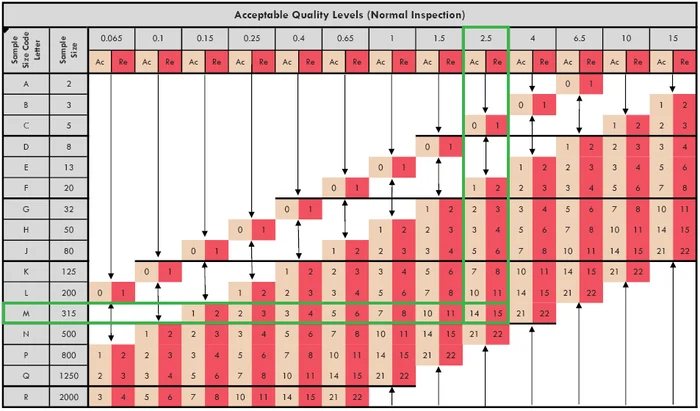
In quality inspections, sample size is determined using standardized statistical tables rather than personal judgment. These tables take into account the total order quantity and the agreed inspection level to define how many units must be checked. The goal is not to inspect as many products as possible, but to select a representative group that provides reliable insight into the quality of the entire shipment. This approach ensures consistency across inspections and avoids subjective decision-making.
A larger sample size increases the likelihood of detecting defects, especially when issues are widespread or inconsistent. When more units are checked, there is a higher chance that recurring problems will appear in the sample. This can lead to a more accurate reflection of overall quality, but it can also result in higher defect counts, which may influence the final inspection result. For this reason, sample size directly affects whether defect limits are exceeded or remain within acceptable thresholds.
Smaller sample sizes, on the other hand, may reduce inspection time but also increase risk. If defects are unevenly distributed across the batch, a small sample may miss certain issues entirely. This can result in a shipment passing inspection even though quality problems exist in other parts of the order. While this does not mean small samples are unreliable, it highlights the importance of choosing an appropriate inspection level based on product risk and buyer expectations.
Sample size also influences how defects are interpreted. Acceptance limits are linked to sample size, meaning that the same number of defects may lead to different outcomes depending on how many units were inspected. For example, finding a few defects in a small sample may exceed allowable limits, while the same number in a larger sample may still be acceptable. Understanding this relationship helps explain why inspection results can vary even when defect numbers appear similar.
The impact of sample size becomes particularly important when comparing inspection results over time. Changes in order quantity or inspection level can lead to different sample sizes, making direct comparisons less straightforward. Without recognizing this, stakeholders may mistakenly assume that quality has improved or worsened, when in fact the inspection parameters have changed.
Ultimately, sample size influences inspection results by shaping both defect detection and acceptance criteria. It is not a tool to manipulate outcomes, but a method to manage risk in a structured and transparent way. Understanding how sample size works allows buyers and suppliers to interpret inspection results more accurately and make informed decisions about quality and shipment approval.