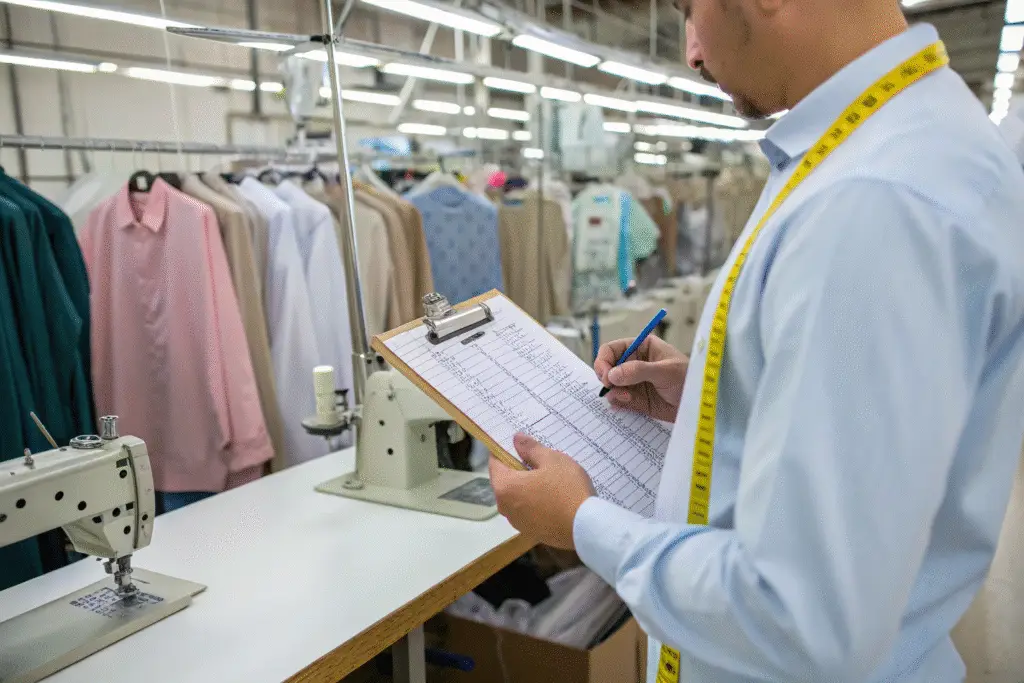
Commercial risk in manufacturing and global trade often arises from uncertainty. Unclear product quality, unreliable suppliers, and limited visibility into production conditions all increase the chance of financial loss, disputes, and damaged relationships. Quality inspections help reduce this risk by providing objective, timely information that supports informed decision-making before problems escalate.
One of the primary ways quality inspections reduce commercial risk is by verifying conformity before shipment. By checking products against agreed specifications, inspections confirm whether goods are acceptable before payment, shipment, or distribution. This early verification helps prevent situations where non-conforming products arrive at their destination, forcing buyers to absorb costs related to returns, rework, or write-offs.
Inspections also reduce risk by identifying problems while corrective action is still possible. During-production and pre-shipment inspections reveal defects, inconsistencies, or process issues that can often be addressed at the factory. Fixing issues at the source is generally faster and less expensive than dealing with them after goods have entered the supply chain. This proactive approach limits financial exposure and reduces the likelihood of disputes.
Another important aspect is risk reduction through transparency. Inspection reports provide documented evidence of product condition, quantities, and packaging status at a specific point in time. This documentation helps clarify responsibilities and supports fair resolution when disagreements arise between buyers and suppliers. Clear, third-party findings reduce ambiguity and help prevent conflicts from escalating into costly legal or commercial disputes.
Quality inspections also protect cash flow and payment terms. Many buyers link payments to inspection results, using them as a condition for releasing funds or approving shipment. Reliable inspection outcomes reduce the risk of paying for goods that do not meet requirements. For suppliers, inspections can also support timely payment by demonstrating compliance and shipment readiness.
Supplier performance management is another area where inspections reduce commercial risk. Regular inspections create a feedback loop that highlights recurring issues and performance trends. This information allows buyers to make informed sourcing decisions, adjust order volumes, or request improvements before problems impact larger commitments. Over time, this reduces dependency on unreliable suppliers and strengthens supply chain resilience.
Inspections further reduce reputational and market risk. Products that fail in the market due to quality issues can damage brand credibility and lead to lost sales. By catching issues before shipment, inspections help protect brand image and reduce the risk of customer dissatisfaction, recalls, or regulatory challenges.
Ultimately, quality inspections reduce commercial risk by turning uncertainty into measurable data. They provide visibility, accountability, and early warning signals that support better decisions throughout the supply chain. When used strategically, inspections are not just a quality tool but a risk management instrument that helps protect financial stability and long-term business relationships.