Factory audits and product inspections serve different but complementary roles in quality control. While both aim to reduce risks and support reliable production, they focus on different aspects of the manufacturing process. Understanding the difference between them helps companies choose the right approach depending on their needs, production stage, and level of control required.
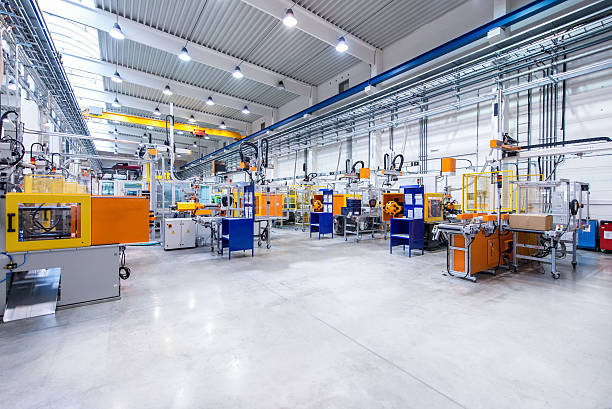
A factory audit focuses on evaluating the manufacturer rather than the products themselves. It examines the factory’s overall capability to produce goods according to agreed requirements. This includes reviewing production processes, quality management systems, working conditions, equipment, and internal controls. A factory audit provides a broader view of how a supplier operates and whether it is capable of consistently meeting quality and compliance expectations over time. It is often used before placing an order or when selecting a new supplier.
Product inspections, on the other hand, focus on the goods being produced. Inspections are carried out at different stages of manufacturing, such as initial production checks, during production inspections, or pre-shipment inspections. The goal is to verify that products match approved samples, specifications, and quality standards. Inspections look at workmanship, quantities, packaging, and visible defects, offering a direct assessment of the actual output rather than the production environment.
The key difference lies in timing and purpose. Factory audits are preventive and strategic, helping assess long-term reliability and compliance. Product inspections are practical and operational, helping confirm that specific orders meet requirements at a given moment. In many cases, using both approaches together provides better control, as audits help choose the right supplier, while inspections help monitor the quality of each production run.
In conclusion, factory audits and product inspections are not alternatives but tools with distinct roles. Audits help understand how a factory operates, while inspections confirm what is being produced. Knowing when to use each one helps reduce risks, avoid misunderstandings, and support consistent quality throughout the manufacturing process.