Unannounced inspections are designed to show how a production line truly operates under normal conditions, not how it looks when everyone has time to prepare. For many factories, the idea of an inspection without prior notice creates anxiety, but in practice it should not require special arrangements if processes are properly controlled. Preparing for unannounced inspections is less about last-minute actions and more about building habits that keep the production line inspection-ready at all times.
The first step is ensuring that production procedures are clearly defined and consistently followed. When operators rely on informal instructions or personal habits, quality becomes unpredictable. Clear work instructions, accessible reference samples, and visible quality criteria help ensure that everyone understands what is expected, even when supervisors or managers are not present. Consistency at the operator level is what inspectors notice first during an unexpected visit.
Housekeeping and organization also play a critical role. A clean and orderly production line reduces the risk of mix-ups, damage, and contamination. Materials, components, and semi-finished goods should be properly identified and separated to avoid confusion. When inspectors see organized workstations and controlled material flow, it signals discipline and attention to detail, which often correlates with more stable quality outcomes.
Ongoing in-process quality checks are essential when inspections are unannounced. Relying solely on final checks creates vulnerability, because issues may already be embedded in large quantities by the time they are discovered. Regular in-process inspections help catch problems early and demonstrate that quality is monitored continuously, not only when an inspection is expected. Inspectors often ask to see evidence of these checks to confirm that quality control is part of daily operations.
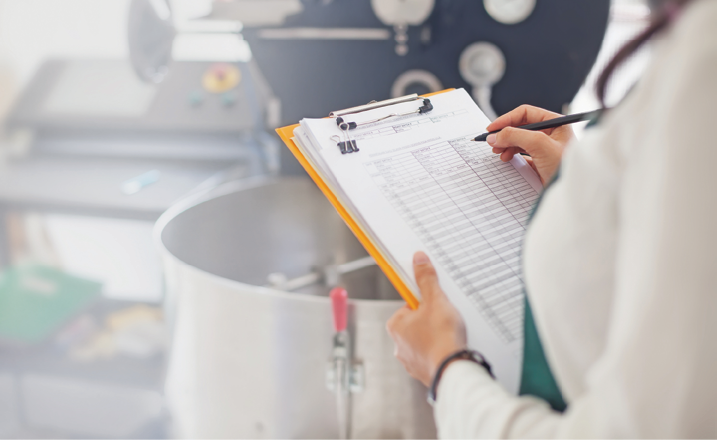
Documentation should always be up to date and accessible. Production records, inspection logs, and corrective action reports provide proof that processes are under control. When documentation is missing or incomplete during an unannounced inspection, it raises questions about whether procedures are truly followed. Keeping records accurate and readily available allows the inspection to proceed smoothly and reduces unnecessary scrutiny.
Training and awareness among staff are equally important. Operators and supervisors should understand basic quality requirements and know how to respond to inspectors’ questions. This does not mean rehearsed answers, but a general understanding of processes and responsibilities. When staff can explain what they are doing and why, it reinforces confidence in the production system and reduces the impression of chaos or confusion.
Equipment maintenance is another area that affects inspection readiness. Machines that are poorly maintained can cause defects, delays, and safety concerns. Regular maintenance and calibration help ensure stable production and reduce the likelihood of inspectors identifying preventable technical issues during their visit.
Ultimately, preparing a production line for an unannounced inspection means embedding quality into everyday practice. When processes are controlled, documentation is current, and staff are engaged, inspections become a confirmation of good work rather than a disruption. Treating inspection readiness as a daily standard, rather than an occasional effort, helps reduce stress and supports consistent, reliable production performance.