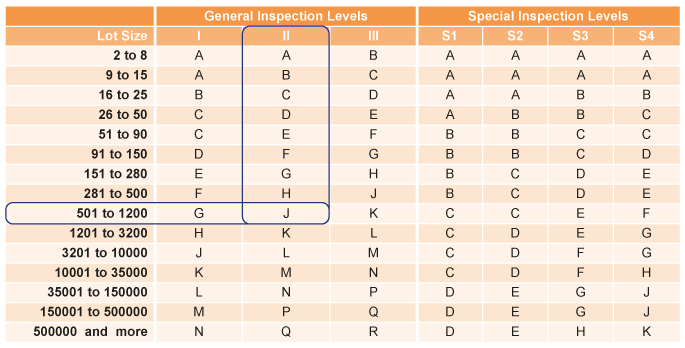
AQL, or Acceptable Quality Level, is a method used across global manufacturing to determine how many defects are acceptable in a batch of finished products. In the textile and footwear industry, where consistency and workmanship greatly impact the final result, AQL plays an essential role in ensuring that brands receive products that meet their standards. Instead of inspecting every single item, AQL allows professionals to evaluate a selected sample according to the ISO 2859-1 standard, making the process efficient while still providing a reliable picture of overall quality.
At its core, AQL reflects an agreement between the manufacturer and the buyer. Both sides decide what level of defects can be tolerated—whether critical, major, or minor—before the shipment is approved. Critical defects are the most serious, as they make the product unsafe or unusable. Major defects affect appearance or functionality, while minor defects are small imperfections that do not influence performance but may affect visual consistency. By classifying defects this way, AQL brings clarity and objective judgment to the inspection process.
AQL is most commonly applied during a Pre-Shipment Inspection (PSI), conducted when production is complete and goods are ready to be packed. Inspectors select samples based on ISO 2859-1 tables, check each item against specifications, and record any deviations. This final overview helps brands avoid unexpected issues once the products reach their destination. It also gives manufacturers the chance to address problems before the goods leave the factory, preventing costly returns or disputes.
However, AQL can also be used earlier in the production cycle. During an Initial Production Check (IPC), inspectors review materials, accessories, and the first finished units to make sure the factory is starting correctly. If problems appear at this early stage, they can be corrected immediately, reducing the risk of repeating the same defect throughout the entire order. This step is particularly useful in textile and footwear production, where material quality and first-batch accuracy strongly influence the rest of the process.
As production continues, a During-Production Inspection (DUPRO) may be performed when 20% to 60% of the order is completed. In this stage, AQL sampling helps inspectors evaluate ongoing workmanship and consistency. Detecting defects mid-production allows factories to adjust their processes before too many units are affected. This prevents delays, reduces waste, and gives brands confidence that the finished goods will meet their expectations.
For businesses working with manufacturers in Albania, Europe, or beyond, AQL is a trusted and practical tool that supports long-term collaboration. It creates a shared language between brands and suppliers, helps maintain product consistency, and makes the inspection process transparent. When combined with other quality control services—such as factory audits, IPC, DUPRO, and PSI—AQL contributes to a stronger, more dependable production workflow.
In the end, AQL is not just a technical standard; it is a way to ensure that every production step aligns with what the brand needs. By using ISO-based sampling and clear defect criteria, AQL helps both manufacturers and buyers work with confidence, knowing that the final product reflects the quality they agreed upon.